Mastering Business Travel During Peak Seasons: Tips For Success
Business travel can be challenging, especially during peak seasons when high demand can lead to increased costs and potential delays

Business travel can be challenging, especially during peak seasons when high demand can lead to increased costs and potential delays
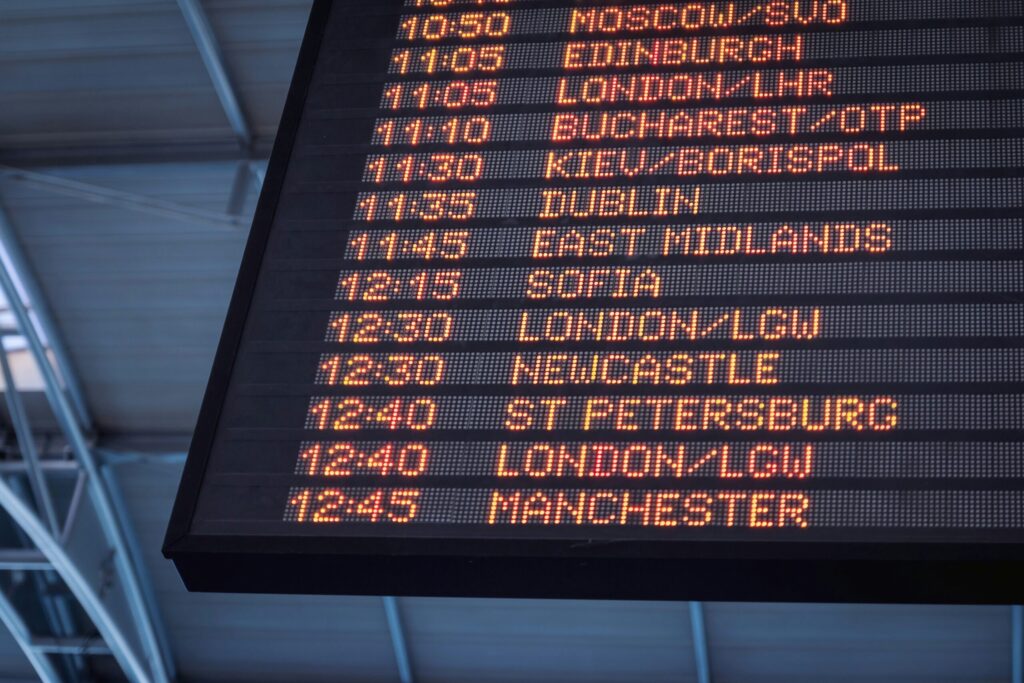
To navigate these busy periods successfully, effective planning and management are essential. Here are some practical tips to help you manage business travel during peak seasons while keeping expenses in check and avoiding unnecessary stress.
1. Plan and Book Early
One of the most effective ways to avoid high costs and secure preferred travel options is to book early. Airlines, hotels, and car rental companies often increase prices as availability decreases. By planning your trips well in advance, you can take advantage of lower rates and a wider selection of options. Additionally, early booking gives you the flexibility to choose the most convenient times and routes.
2. Be Flexible with Dates and Times
Flexibility can be a significant advantage when planning travel during peak seasons. If your schedule allows, consider flying on less popular days, such as mid-week instead of weekends, or during off-peak hours. Early morning or late-night flights are often less crowded and more affordable. Similarly, extending your stay by a day or two on either side of your business commitments can sometimes result in better rates.
3. Leverage Travel Management Tools
Utilize travel management tools and apps to streamline your planning process. These tools can help you compare prices, track expenses, and manage itineraries all in one place. Many apps also provide real-time updates on flight status, gate changes, and delays, ensuring you stay informed and can adjust plans as needed.
4. Join Loyalty Programs
Frequent business travellers should consider joining loyalty programs offered by airlines, hotels, and car rental companies. These programs often provide benefits such as priority boarding, complimentary upgrades, and access to exclusive deals. Accumulating points can lead to significant savings and added perks that enhance your travel experience.
5. Use a Corporate Travel Service
Working with a travel agent or corporate travel service can be particularly beneficial during peak seasons. These professionals have access to industry networks and can often secure better rates and accommodations. They can also assist with itinerary changes, cancellations, and emergency situations, providing valuable support when you need it most.
6. Stay Informed About Travel Advisories
During peak seasons, travel advisories and updates are more common. Stay informed about potential disruptions by signing up for alerts from your airline, hotel, and government travel websites. This proactive approach allows you to make informed decisions and adjust your plans accordingly.
7. Optimize Your Itinerary
When planning your trip, optimize your itinerary to minimize downtime and maximize productivity. Schedule meetings strategically to reduce unnecessary travel within your destination. Consider booking accommodations close to your meeting venues to save time and transportation costs. Additionally, plan for some buffer time between appointments to account for potential delays.
8. Consider Alternative Transportation
During peak travel periods, consider alternative transportation options such as trains or buses, especially for shorter distances. These modes of transport can be more reliable and less stressful than flying. Additionally, they often offer more flexible booking options and fewer security hassles.
9. Have a Contingency Plan
Despite careful planning, unforeseen circumstances can arise. Have a contingency plan in place for travel disruptions. Keep a list of alternative flights, hotels, and transportation options. Ensure you have access to necessary funds and a way to communicate with colleagues and clients if plans change unexpectedly.
Managing business travel during peak seasons requires a proactive and strategic approach. By planning ahead, staying flexible, and leveraging available resources, you can navigate busy periods with confidence. These tips will help you minimize costs, avoid delays, and ensure your business trips are as smooth and productive as possible.
Happy travels!
Need help? Your dedicated travel manager is just a click away.